

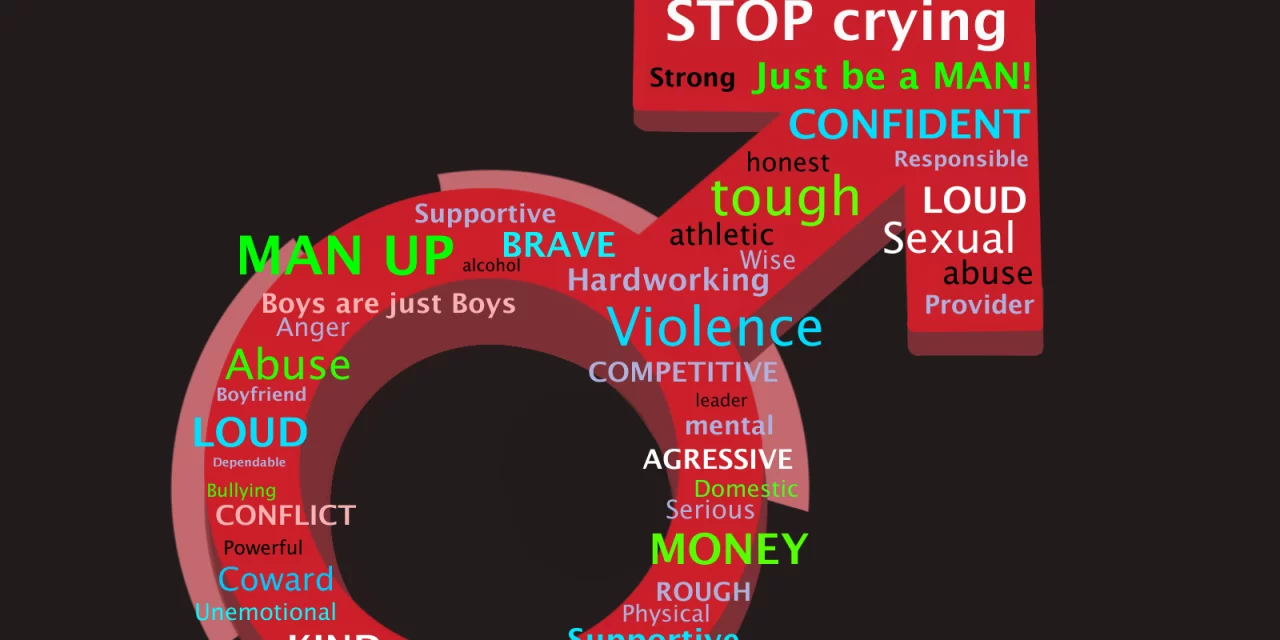
While patriarchy is a recognised, sometimes debated but unresolved societal issue, first identified by feminists more than six decades ago, toxic masculinity – harmful behaviours and attitudes perpetuated within the patriarchy – has only relatively recently entered into more mainstream discourse.
As a bête noire among certain sections of the media, some likely (Grayson Perry) and some rather unlikely (Danny Dyer) personalities have helpfully and successfully shone a light on it. Unsurprisingly of course, it has taken men to notice it to catapult the issue into the broader public consciousness. Oh, and Barbie the movie.
Equally but perhaps for all the wrong reasons, the appearance of Andrew Tate and other extreme toxic masculinity apologists has also done society a favour in forcing us to focus on and address its harmful effects.
Addressing both patriarchy and toxic masculinity is seen as crucial for achieving gender equality and creating a more inclusive and equitable society.
But while fixing ills at a cultural, political and societal level is clearly important for all of us, the reality is that for most people, toxic masculinity’s damaging effects are most acutely felt in our personal lives and particularly in our relationships.
As a therapist, I am required to, and actively choose to, look at issues and problems through a range of theoretical and therapeutic lenses to help my clients gain a broader perspective and understanding of their problems. However, in relationship therapy, I have found that toxic masculinity is a lens that can routinely provide much clarity.
Often it is brought to couples therapy as problem by an oppressed-feeling partner – usually female (but not always) – it can quickly become apparent however, that the seemingly oppressing partner is equally (if not more) impacted adversely by toxic masculinity’s effects.
Toxic masculinity affects men in a variety of ways, often leading to harmful behaviours, attitudes, and emotional struggles. These include:
Emotional Suppression
Toxic masculinity promotes the idea that men should suppress their emotions, especially those deemed “weak” or “feminine,” such as sadness, fear, or vulnerability. This can lead to emotional numbness, difficulty in expressing feelings, and ultimately, mental health issues like depression and anxiety.
Pressure to Conform to Stereotypes
Toxic masculinity imposes rigid gender stereotypes on men, dictating how they should behave, dress, and express themselves. Men who don’t conform to these expectations may face ridicule, ostracization, or accusations of not being “man enough.”
Violence and Aggression
Toxic masculinity often glorifies aggression and violence as signs of strength and dominance. This can lead to men resorting to physical violence as a means of asserting power or resolving conflicts, resulting in harm to themselves and others.
Limited Relationship Options
Toxic masculinity can restrict men’s ability to form deep and meaningful relationships, as it discourages emotional intimacy and vulnerability. Men may feel pressured to maintain a facade of toughness and independence, making it difficult to connect with others on a genuine level.
Negative Impact on Health
The pressure to conform to unrealistic physical ideals of strength and dominance can lead to risky behaviours such as steroid abuse, unhealthy dieting practices, and overexertion in the gym. This pursuit of an unattainable image can have detrimental effects on men’s physical health.
Sexual and Gender Identity Issues
Toxic masculinity can contribute to the stigmatization of non-heteronormative sexual orientations and gender identities. Men who do not conform to traditional notions of masculinity may face discrimination, harassment, and even violence.
Limited Expression of Creativity and Self-Exploration
Toxic masculinity discourages men from engaging in activities that are perceived as “feminine” or “weak,” such as artistic pursuits or self-reflection. This can inhibit personal growth and prevent men from exploring aspects of themselves that do not align with traditional gender norms.
It is easy to see then why men who feel bound to, or even just influenced by, a toxic masculinity operating system often struggle to live fulfilling, authentic, connected, and emotionally healthy lives. Men (or anyone else for that matter) systemically unable to live such a life often, and understandably, make an appearance in troubled relationships.
Relationships are a domain where this maladaptive operating system is pretty much doomed to fail. While a partner may feel they unfairly bear the brunt, the man himself is also feeling the serious impact of a system that has failed him more broadly. Addressing toxic masculinity and its enabler, patriarchy, could improve society as a whole but it’s at the personal, relationship level that people will feel the benefits most.
Considered and therapeutic exploration of how toxic masculinity is impacting you and your relationship can help achieve this sooner